¿Alguna vez te has enfrentado a esto? Un frasco de cuidado de la piel demasiado grande provoca oxidación y desperdicio del producto, lo que frustra a los clientes. Un frasco demasiado pequeño fomenta las compras frecuentes, causando insatisfacción. ¿Cómo encontrar el tamaño perfecto? La respuesta radica en equilibrar la viscosidad, la frecuencia de uso y el posicionamiento de la marca. Esta guía ofrece un marco basado en datos para calcular la demanda anual de cada cliente. En definitiva, elegirás con confianza el tamaño adecuado, como por ejemplo: Botella cosmética de PE—para reducir los residuos y aumentar el valor, respaldado por Lisson expertos en embalaje.
Calcula el tamaño perfecto del envase multiplicando la cantidad de producto por uso, las aplicaciones diarias y los días de uso deseados.
Adapta el tamaño del frasco a la viscosidad de tu producto: los sueros ligeros se ajustan mejor a frascos pequeños, mientras que las cremas espesas necesitan frascos más grandes.
Realice pruebas con un socio especializado en envasado para asegurarse de que los tapones encajen correctamente, que los materiales sean adecuados y que la botella tenga el tacto correcto.
Elige tamaños que reflejen tu marca: las botellas pequeñas transmiten lujo, las botellas grandes ofrecen una buena relación calidad-precio.
Ofrecer tamaños prácticos para viajar, como 30 ml, para cumplir con las normas de las aerolíneas y para la comodidad de los clientes.
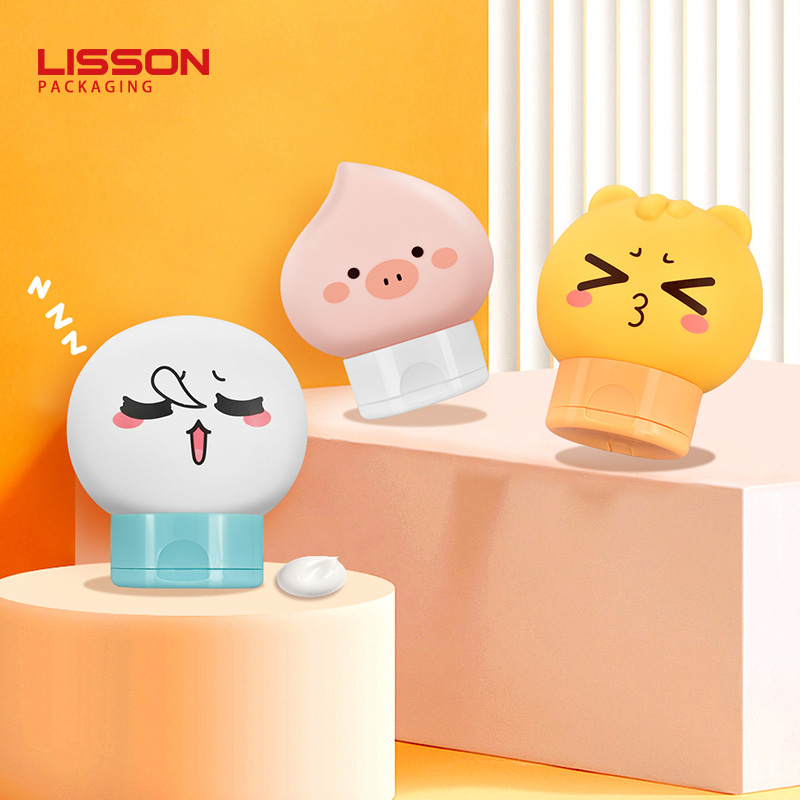
Los envases cosméticos de polietileno abarcan una amplia gama, desde pequeñas muestras de 5 ml hasta envases de 1000 ml. Sin embargo, la industria del cuidado de la piel se inclina por cinco volúmenes clave: 15 ml, 30 ml, 50 ml, 100 ml y 200 ml. Cada tamaño cumple una función específica dentro de la línea de productos.
Investigación de la industria de la Envases para frascos de cosméticos Informe de investigación sobre tamaño de mercado, participación, tendencias de la industria y análisis. Un estudio de 2024 confirma que los productos para el cuidado de las uñas suelen utilizar envases de entre 5 y 15 ml. El mismo informe señala que el plástico PET representa aproximadamente el 65 % de todos los envases de cosméticos en las categorías de gran consumo. El PE sigue siendo una alternativa común, especialmente cuando se requiere que el envase sea flexible o reciclable.
El tipo de plástico que elijas influye en cómo se siente el envase al tacto. El LDPE ofrece flexibilidad y una textura más suave, lo que lo hace ideal para lociones. El HDPE proporciona rigidez y un peso superior, adecuado para cremas más espesas. Esta distinción entre tipos de plástico es importante porque el mismo volumen puede sentirse muy diferente según el material.
La consistencia de tu producto debe guiar la elección del tamaño. Los sérums ligeros y los aceites faciales funcionan mejor en envases de 15 ml a 30 ml. Estos volúmenes más pequeños evitan la oxidación y animan a los clientes a terminar el producto antes de que se degrade. Las cremas hidratantes de uso diario suelen venir en envases de 50 ml, lo que ofrece aproximadamente dos meses de uso con una aplicación dos veces al día.
Los tónicos y esencias requieren formatos más grandes. Un frasco de 100 ml permite aplicar cantidades generosas en discos de algodón. Las lociones corporales requieren aún más capacidad; los frascos de 200 ml ofrecen un suministro práctico para tres meses para su aplicación en todo el cuerpo. Estos frascos cosméticos están disponibles con diferentes acabados en el cuello para adaptarse a sus necesidades de dosificación.
La flexibilidad del PE también influye en la dosificación. Las formulaciones más espesas requieren aberturas más anchas, que los frascos de mayor tamaño ofrecen de forma natural. Los líquidos más fluidos funcionan bien con cuellos estrechos y tapones con gotero, comunes en tamaños más pequeños.
Al evaluar las opciones de empaque para cosméticos, considere cómo el tamaño del frasco comunica valor. Un sérum de 30 ml a $80 transmite lujo y concentración. Una loción de 200 ml a $20 sugiere accesibilidad para el uso diario. La elección del empaque personalizado para sus cosméticos debe reforzar el posicionamiento de su marca.
Para almacenar productos para el cuidado de la piel, el volumen adecuado evita el desperdicio y la frustración. botella cosmética de plástico PE Un envase que se ajuste a la viscosidad de tu fórmula y a los hábitos de uso de tus clientes tendrá un mejor rendimiento que una opción genérica. Siempre prueba muestras con tu proveedor de envases para confirmar que el ajuste sea el adecuado en la práctica. Las opciones sostenibles también atraen a los consumidores con conciencia ecológica, por lo que elegir plásticos adecuados es una decisión empresarial inteligente.
La consistencia de tu fórmula determina el tamaño del frasco y el sistema de cierre más que cualquier otro factor. Los sérums ligeros y los aceites faciales fluidos se distribuyen de forma predecible a través de los sistemas de gotero, por lo que los frascos de 15 ml a 30 ml son la opción ideal. Estos volúmenes más pequeños también protegen los principios activos potentes, como el retinol y la vitamina C, de la degradación causada por el aire, preservando su eficacia durante toda la vida útil del producto.
Las cremas y bálsamos espesos presentan un desafío diferente. Las pipetas estándar no pueden manejar líquidos densos con eficacia. Las pipetas de boca ancha, los goteros con botón pulsador y los sistemas sin aire funcionan mucho mejor para sueros de alta viscosidad. Las bombas de presión pueden dispensar demasiado producto a la vez para consistencias fluidas, mientras que las bombas de pulverización se obstruyen con fórmulas espesas. Los frascos con gotero pueden obstruirse con el tiempo con texturas más densas. Es necesario elegir el mecanismo de dispensación adecuado a la viscosidad antes de decidir el volumen.
La siguiente tabla resume cómo interactúan la viscosidad, la tasa de uso y el posicionamiento en el mercado para determinar el tamaño óptimo:
Tipo de producto | Consideraciones sobre la viscosidad | Tasa de uso | Posicionamiento en el mercado | Tamaño óptimo de la botella |
|---|---|---|---|---|
Sérum, ampolla, aceite facial | Requiere gotero o bomba sin aire; protección contra la oxidación. | 1-2 dosis diarias, una pequeña cantidad por uso. | Percepción de calidad superior; los ingredientes altamente activos justifican un tamaño más pequeño. | 10 ml, 15 ml, 30 ml, 50 ml |
Crema facial, crema en gel, bálsamo | Tarro o tarro sin aire; la textura importa. | Uso diario, cantidad moderada por aplicación. | Coincide con el nivel de precios; 50 ml es el precio de venta al público habitual. | 30 ml, 50 ml, 75 ml |
Limpiador, tónico, esencia | La viscosidad afecta a la dispensación (bomba, tapa abatible). | Mayor uso por aplicación; uso diario | Percepción de valor; tamaños más grandes para una sensación competitiva. | 50 ml, 100 ml, 150 ml, 200 ml |
Los sistemas de bombeo ofrecen mayor protección contra la introducción de bacterias en comparación con los frascos con gotero que entran en contacto con la piel durante la aplicación. Los tapones de rosca y los sellos herméticos reducen el riesgo de fugas y garantizan una dosificación uniforme. Al elegir el envase personalizado para su producto cosmético, debe tener en cuenta estas características técnicas.
El tamaño del envase comunica la imagen de tu marca incluso antes de que el cliente lo abra. Un sérum de 30 ml a 80 dólares transmite lujo, concentración y potencia. Una loción de 200 ml a 20 dólares sugiere accesibilidad y practicidad para el día a día. Tu envase debe reforzar este mensaje de forma consistente.
Los pequeños goteros de vidrio de 30 ml a 50 ml transmiten una imagen de alta calidad para fórmulas con ingredientes activos. Los frascos grandes de PE de 100 ml o más indican a los clientes que este producto debe formar parte de su rutina diaria. Un limpiador facial básico de marca blanca puede necesitar 100 ml o 150 ml para ser competitivo en los estantes de las tiendas. La misma fórmula en un frasco de 50 ml parecería demasiado cara y de tamaño insuficiente.
La portabilidad añade otro factor a considerar. Las normas de las aerolíneas limitan los envases a 100 ml por persona. Ofrecer tamaños prácticos para viajar, como 30 ml, facilita el viaje y el cumplimiento de las normas para los clientes que viajan con frecuencia. Una botella de 200 ml es ideal para uso doméstico, pero no cumple con los requisitos de la TSA. Es posible que necesite ambos tamaños en su catálogo para atender a diferentes segmentos de clientes.
El tipo de plástico que elijas influye en cómo se siente la botella al tacto. Para grandes volúmenes, las botellas de PE resistentes ofrecen una gran resistencia a los impactos y una durabilidad excepcional, ideales para ambientes húmedos como el baño. Una botella cosmética de PE con paredes más gruesas se siente más robusta y de mayor calidad, mientras que las de paredes más finas son más adecuadas para formatos desechables o de muestra.
La sostenibilidad también influye en la percepción de la marca. Las opciones ecológicas como el PCR-PE (polietileno reciclado posconsumo) permiten alinearse con las iniciativas sostenibles sin sacrificar el rendimiento. Muchos clientes buscan activamente envases reciclables, y la elección de envases para cosméticos refleja el compromiso ambiental de la empresa. El tamaño adecuado, combinado con el material idóneo, crea una experiencia de marca coherente que genera confianza y fomenta la fidelización.
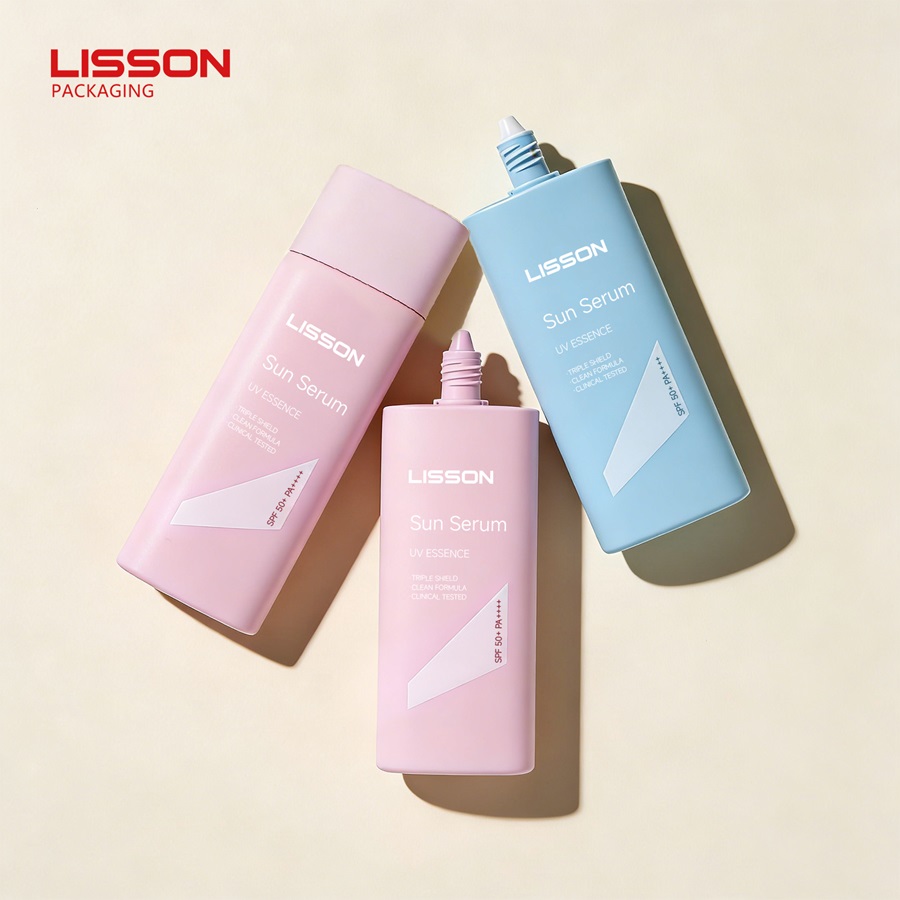
Comience con una fórmula sencilla. Multiplique la cantidad de producto por aplicación por el número de aplicaciones diarias y luego multiplique por los días de uso deseados. Esto le dará el tamaño óptimo del envase. La fórmula funciona así: producto por aplicación x aplicaciones por día x días de uso = tamaño óptimo.
Las rutinas de cuidado de la piel utilizan diferentes cantidades según la categoría del producto. La siguiente tabla muestra las porciones estándar según la práctica común:
Categoría de producto | Cantidad por solicitud |
|---|---|
Suero | Una cantidad del tamaño de una moneda de diez centavos, aproximadamente de 0,3 a 0,5 ml. |
Hidratante | Una pequeña cantidad del tamaño de una moneda de cinco centavos, aproximadamente de 0,5 a 1,0 ml. |
Tóner (líquido) | Unas gotas en un disco de algodón o en la palma de la mano, aproximadamente de 2,0 a 3,0 ml. |
Ahora aplica la fórmula a tu producto. Para un sérum de 0,5 ml por uso, aplicado dos veces al día durante 60 días, el cálculo es: 0,5 x 2 x 60 = 60 ml. Un frasco de 30 ml obliga a rellenarlo a mitad de ciclo, mientras que un frasco de 100 ml corre el riesgo de oxidarse antes de que el cliente lo termine. Para un tónico de 2,5 ml por uso, aplicado dos veces al día durante 60 días, el cálculo es: 2,5 x 2 x 60 = 300 ml. Un frasco cosmético de 100 ml dura solo 20 días, demasiado poco para la satisfacción. Un frasco cosmético de 200 ml se ajusta mejor, proporcionando unos 40 días de uso y fomentando un ciclo de recompra predecible.
Este cálculo funciona para cualquier producto, desde sérums ligeros hasta cremas corporales densas. Adapta el tamaño del envase al patrón de uso, no solo al coste del paquete. Tus clientes agradecerán un producto que dure exactamente lo que esperan.
Un cálculo teórico proporciona un punto de partida, pero las pruebas en condiciones reales confirman la elección. Solicite muestras a un proveedor como Lisson para comprobar el volumen de llenado, la compatibilidad de la tapa y la sensación al tacto. Las pruebas evitan errores costosos: lo que parece correcto en una hoja de cálculo puede resultar incómodo en la práctica.
Los parámetros clave a evaluar durante las pruebas incluyen:
Tolerancias dimensionales para la compatibilidad de la tapaEl diámetro del cuello debe mantenerse dentro de ±0,10 mm para productos de alta gama o ±0,20 mm para productos de consumo masivo, a fin de garantizar el sellado del gotero. El diámetro exterior mayor de la rosca debe mantenerse entre ±0,15 mm y ±0,25 mm para controlar el acoplamiento de la rosca del collarín de la bomba y la tapa. Los cierres flojos se producen cuando estas tolerancias varían.
Especificaciones de parEl par de apriete debe estar entre 0,8 y 1,6 Nm. El par de apriete tras 24 horas de reposo debe estar entre 0,4 y 1,2 Nm. Realice la prueba en ambos extremos de la tolerancia de la rosca para verificar el rendimiento en el peor de los casos.
Pruebas de estabilidadLlene el recipiente con su formulación real. Déjela funcionar durante tres meses a 25 °C y 60 % de humedad relativa, tres meses a 40 °C y 75 % de humedad relativa, y diez ciclos térmicos de -10 °C a +45 °C. Compruebe la estabilidad dimensional del recipiente, la retención del par de apriete del cierre y la ausencia de interacción química.
Compatibilidad del materialLas formulaciones con alto contenido alcohólico (más del 30 % de etanol) requieren PP transparente en lugar de PET. Los aceites esenciales con una concentración superior al 5 % necesitan HDPE o PP. Las formulaciones de silicona requieren un espesor mínimo de pared de 0,6 mm en LDPE para evitar la permeación. Muchos clientes prefieren envases reciclables, por lo que se recomienda elegir materiales que cumplan con esta expectativa.
Tacto y integridad de la etiquetaLas etiquetas se agrietan o se despegan en botellas flexibles cuando las etiquetas rígidas estándar entran en contacto con envases flexibles. Utilice materiales de película flexible como BOPP o PE con adhesivo flexible de alta adherencia. Realice pruebas de compatibilidad adecuadas con la superficie de la botella para asegurar que la etiqueta se mueva con ella en lugar de romperse bajo presión.
Un frasco cosmético de plástico PE que se siente bien en la mano genera confianza en el cliente. Las pruebas con un socio especializado en empaques garantizan que el empaque personalizado de su frasco cosmético cumpla con todos los requisitos antes de la producción. Así, evita el desperdicio de inventario, la insatisfacción del cliente y los costosos rediseños. El tamaño adecuado, confirmado mediante pruebas, ofrece un producto que funciona como se espera desde el primer uso hasta el último.
Elegir el tamaño adecuado es una decisión estratégica. Debes equilibrar la viscosidad, la frecuencia de uso y el posicionamiento de la marca. Sigue estos tres pasos: comprende los tamaños estándar, analiza los factores de tu producto y, a continuación, calcula el volumen óptimo a partir de los datos de uso.
Aplica este método a tu producto más vendido hoy mismo. Realiza el cálculo: producto por aplicación, multiplicado por aplicaciones diarias, multiplicado por los días de uso deseados. Compara este resultado con los envases cosméticos estándar de tu categoría.
Tu fórmula para el cuidado de la piel merece un envase que funcione. Consulta con especialistas como el equipo de Lisson para obtener muestras prácticas. Te brindarán asesoramiento experto sobre el grosor del material y la compatibilidad de la tapa. Un frasco cosmético de plástico PE, cuya calidad ha sido comprobada mediante pruebas, ofrece la experiencia que tus clientes esperan. Un envase cosmético personalizado te permite tomar la decisión correcta con total confianza.
Multiplique la cantidad de producto por aplicación por el número de aplicaciones diarias y, a continuación, multiplique por los días de uso deseados. Por ejemplo, 0,5 ml por aplicación, dos veces al día, durante 60 días equivalen a 60 ml. Esta sencilla fórmula evita tanto el desperdicio como la frustración del cliente.
Las pruebas revelan problemas reales que los cálculos no detectan. Es necesario verificar la compatibilidad del tapón, la sensación al tacto y la estabilidad del material con la fórmula real. Un frasco de cosméticos de plástico PE que parece adecuado sobre el papel puede resultar incómodo en la práctica. Las pruebas previenen costosos errores de producción.
El LDPE ofrece flexibilidad y una presión más suave, ideal para lociones y fórmulas más ligeras. El HDPE proporciona rigidez y un peso superior, adecuado para cremas más espesas. Su elección influye en la sensación al tacto del envase y en la eficacia con la que dispensa su producto.
Sí. Las normas de equipaje de mano limitan los envases a 100 ml, por lo que las botellas de 30 ml son ideales para los viajeros. Una botella de 200 ml sirve para uso doméstico, pero no cumple con los requisitos de la TSA. Ofrecer ambos tamaños te permite llegar a diferentes segmentos de clientes con la misma fórmula.

 Lisson Mansion , No.2-36 Yongfa Road, Huadu District,Guangzhou CHINA
 +8615099958531
 lissontube@gzlisson.com