¿Decir entre HDPE y PET para los envases exprimibles de su crema de manos? El HDPE ofrece una resistencia química y durabilidad superiores, mientras que el PET ofrece una claridad superior y una sensación más ligera. Debe evaluar la durabilidad, la compatibilidad química, la claridad, el costo, la reciclabilidad y la imagen de marca antes de decidir. Ejemplos del mundo real, como el Botella ovalada de plástico HDPE de 50 ml/60 ml, exprimible. Lisson Packaging demuestra las ventajas prácticas del HDPE para el envasado de cosméticos. Esta comparación entre PET y HDPE le ayudará a seleccionar el envase ideal para su línea de cuidado de la piel. Comprender el comportamiento de cada material con aceites, ingredientes activos y el uso diario le guiará en su elección. Su decisión repercute en la integridad del producto, la experiencia del cliente y el impacto ambiental. Considere cómo se alinea cada opción con el posicionamiento de su marca y sus objetivos de sostenibilidad antes de iniciar la producción.
Conclusiones clave
Elija envases de HDPE para cremas de manos con fórmulas ricas en aceites. El HDPE resiste los daños químicos y se mantiene duradero.
Para lociones a base de agua, elija botellas de PET. El PET ofrece una transparencia cristalina y un aspecto prémium.
Prueba tu crema de manos con ambos materiales. Las pruebas de compatibilidad evitan fallos en el envase y garantizan la calidad.
El HDPE ofrece mejores índices de reciclaje que el PET. Esta elección contribuye a tus objetivos de sostenibilidad.
PET vs HDPE: Comparación rápida de materiales
Antes de elegir el envase para tu línea de cremas de manos, necesitas comprender claramente las diferencias entre estos dos plásticos. La decisión entre PET y HDPE influye en todo, desde la presentación en el lineal hasta la vida útil del producto. Ambos materiales son útiles para la industria cosmética, pero destacan en diferentes áreas. Entender estas diferencias te ayudará a elegir el envase que mejor se adapte a tu fórmula y a la promesa de tu marca.
Propiedades clave de un vistazo
La siguiente tabla resume los atributos más importantes que deberá evaluar durante la selección de materiales. Analice detenidamente estas diferencias, ya que cada una influye en el rendimiento y el posicionamiento de su producto en el mercado.
Atributo | HDPE | MASCOTA |
|---|---|---|
Durabilidad | Flexible, resiste la compresión. | Rígido, mantiene bien la forma. |
Claridad | Acabado mate opaco o semiopaco | Transparencia cristalina, como el cristal |
Resistencia química | Resistencia superior a aceites, tensioactivos y fórmulas a base de alcohol. | Adecuado para formulaciones suaves; menos adecuado para productos alcalinos o a base de solventes. |
Costo | Generalmente más económico | La resina generalmente cuesta un poco más |
Reciclabilidad | Ampliamente aceptado; el acabado opaco limita su reutilización en aplicaciones transparentes. | Infraestructura de reciclaje más desarrollada a nivel mundial; rPET comúnmente utilizado |
El polietileno de alta densidad (HDPE) ofrece una textura suave y flexible que los consumidores aprecian en los productos de uso diario. El tereftalato de polietileno (PET) proporciona ese aspecto elegante y brillante que muchas marcas desean. Para el envasado de cosméticos, es necesario sopesar estas ventajas y desventajas en función de las necesidades específicas de la formulación.
Rendimiento en el envasado de cremas de manos
La crema de manos presenta desafíos únicos debido a su composición rica en aceites. Los envases de HDPE resisten excepcionalmente bien los aceites, los tensioactivos y las fórmulas a base de alcohol. Esta resistencia química garantiza que el producto se mantenga estable dentro del envase sin que el plástico se degrade con el tiempo. Los envases de PET toleran bien las formulaciones suaves, pero tienen dificultades con los ingredientes alcalinos o a base de solventes.
La resistencia al impacto también distingue a estos materiales. El HDPE soporta caídas y maltrato sin agrietarse, lo que lo hace ideal para productos de tamaño viaje. El PET ofrece buena resistencia a la tracción, pero se vuelve quebradizo ante impactos repentinos. El comportamiento ante la temperatura también es importante. El HDPE mantiene sus propiedades mecánicas en un rango de temperatura más amplio, mientras que el PET puede deformarse con altas temperaturas o volverse quebradizo en condiciones de frío.
Para el envase exprimible de tu crema de manos, la comparación entre PET y HDPE se centra principalmente en la compatibilidad de la formulación. Si tu crema contiene extractos botánicos activos, aceites esenciales o mezclas de mantecas ricas, el HDPE ofrece la opción de envase más segura. El PET es ideal para lociones a base de agua, donde la alta transparencia realza el atractivo visual de tu marca. Considera primero la composición química de tu producto y luego deja que la estética guíe tu decisión final.
Botellas exprimibles de HDPE: Ventajas e inconvenientes
Ventajas del HDPE
El polietileno de alta densidad (HDPE) es un material fundamental en el envasado de cosméticos. Ofrece una resistencia al impacto y una barrera contra la humedad excepcionales, superiores a las del PP y el PET. La siguiente tabla muestra cómo se compara el HDPE con estas alternativas comunes.
Propiedad | Rendimiento del HDPE | Comparación con PP y PET |
|---|---|---|
Fuerza de impacto | Excelente | Superior al PP (bueno) y al PET (bueno) |
Barrera contra la humedad | Excelente | Superior al PP (bueno) y al PET (bueno) |
Lo mejor para | Bidones para productos químicos, máxima resistencia. | Contrasta con PP (relleno en caliente) y PET (transparencia). |
Este plástico resistente ofrece una excelente resistencia química, lo que lo hace altamente compatible con aceites, ácidos, alcoholes de alta concentración y emulsiones espesas. Las cremas de manos suelen contener precisamente estos componentes. De esta forma, se evita el riesgo de degradación o agrietamiento del envase que otros materiales podrían sufrir con el tiempo.
La rentabilidad refuerza aún más la conveniencia de las botellas de HDPE. La resina en sí tiene un precio asequible en comparación con el PET. Los procesos de fabricación de HDPE también consumen menos energía, lo que se traduce en ahorros que puede trasladar al consumidor o reinvertir en un etiquetado de alta calidad.
Un aspecto que merece su atención es la facilidad de aplicación. El HDPE es rígido y firme, lo que requiere mayor fuerza de presión que el LDPE. Para cremas de manos espesas, es fundamental realizar pruebas de presión con consumidores antes de su uso. Un alto porcentaje de HDPE puede dificultar la dosificación de productos de alta viscosidad. La mezcla de HDPE con LDPE ofrece una textura más suave sin comprometer la durabilidad.
Características de la botella ovalada de plástico HDPE exprimible
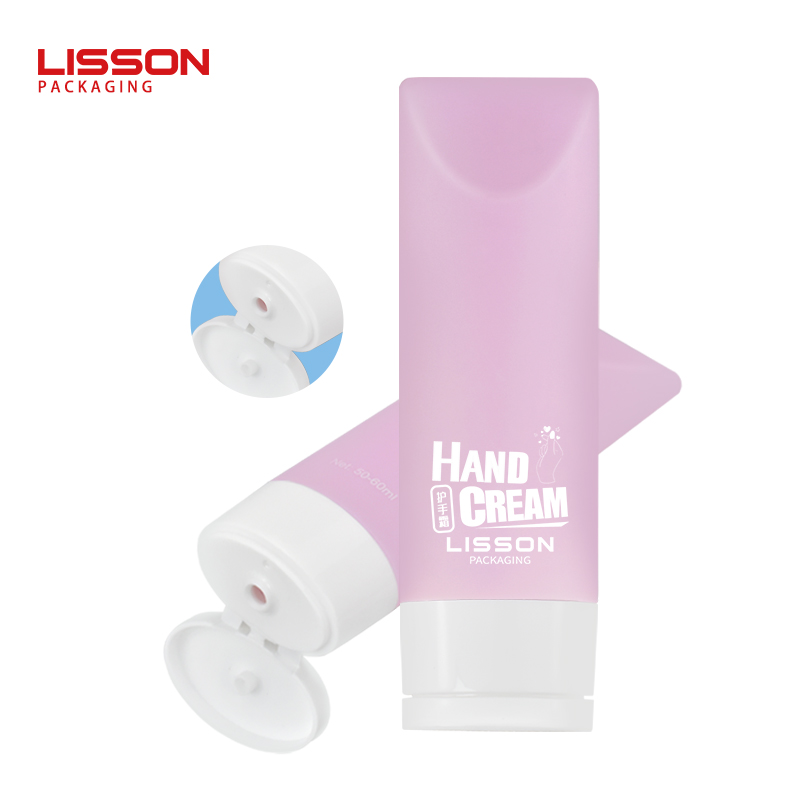
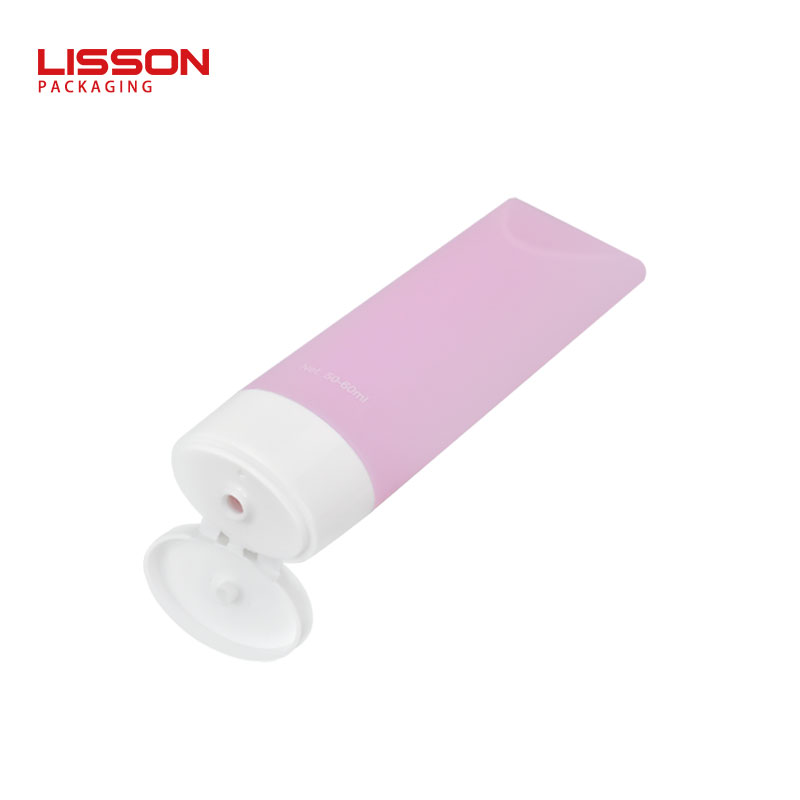
El frasco ovalado de plástico HDPE rosa de 50 ml/60 ml de Lisson Packaging es un ejemplo de cómo este material combina funcionalidad y posicionamiento de marca. Su forma ovalada ergonómica se adapta cómodamente a la mano del cliente, ofreciendo un mejor agarre y una experiencia de aplicación placentera. Este diseño transforma la hidratación diaria en un ritual.
La forma habla más que las palabras. Una silueta ovalada puede sugerir elegancia... Una curva bien diseñada facilita el agarre y la dispensación, convirtiendo la rutina en ritual.
La tapa abatible de PP garantiza un cierre seguro y un uso cómodo con una sola mano. Puede personalizar los colores y acabados (brillante, mate o esmerilado) para que coincidan con la identidad de su marca. Las opciones de impresión incluyen serigrafía, etiquetado o recubrimiento de color, lo que le brinda un control creativo total.
Este Botella ovalada de plástico HDPE exprimible Esto demuestra por qué las botellas de HDPE siguen siendo la opción preferida para las líneas de cosméticos que buscan durabilidad y estilo. Su diseño ligero reduce los costos de envío sin comprometer la integridad estructural. Para cualquier marca de cosméticos que busque un empaque confiable que realce su valor percibido, esta botella ofrece ventajas tangibles.
Botellas de PET: Ventajas y desventajas
Ventajas de la PET
El tereftalato de polietileno, comúnmente conocido como PET, ofrece una experiencia visual inigualable por el HDPE. Obtendrá paredes cristalinas que permiten apreciar el color, la textura y la consistencia de su crema de manos directamente en el estante. Esta alta transparencia crea una conexión sensorial inmediata con los clientes que desean ver con claridad el producto que compran. Su apariencia similar al vidrio realza el valor percibido de su producto sin añadir el peso ni la fragilidad del vidrio tradicional.
Las botellas de PET también ofrecen ventajas prácticas para su cadena de suministro. Su ligereza reduce significativamente los costos de envío en comparación con las alternativas de vidrio. El material cuenta con la aprobación de la FDA, no contiene BPA y cumple con los requisitos de los envases cosméticos para el contacto directo con la piel. Además de su funcionalidad, el PET ofrece un acabado brillante y de alta calidad que transmite pureza y sofisticación. Para los envases de productos para el cuidado de la piel, esta ventaja estética suele justificar la elección del material.
Ventajas | Desventajas |
|---|---|
La transparencia similar al cristal mejora la visibilidad del producto y su atractivo de lujo. | Baja resistencia al impacto: propenso a agrietarse al caerse. |
Ligero, lo que reduce los costos de envío. | Resistencia química aceptable: puede degradarse con disolventes fuertes, aceites esenciales o niveles de pH elevados. |
Alta tasa de reciclaje global (~58% en Europa) y ampliamente aceptado (plástico n.° 1) | Baja tolerancia al calor: se ablanda por encima de 70 °C, no apto para llenado en caliente. |
Aprobado por la FDA, libre de BPA y seguro para uso cosmético. | Menos duradero que el HDPE para cremas espesas; se recomienda el HDPE para formulaciones de cremas de manos. |
Su acabado brillante y de primera calidad transmite pureza y sofisticación. | La claridad reciclada puede disminuir, afectando el valor estético. |
Rentable a un precio de entre 1,40 y 1,70 dólares por kilogramo. | Coste de utillaje ligeramente superior debido al moldeo por inyección-estirado-soplado. |
Limitaciones en el uso de cremas de manos
A pesar de su atractivo visual, el PET presenta importantes desafíos para la formulación de cremas de manos. Este material solo ofrece una resistencia química aceptable. Los disolventes fuertes, los aceites esenciales y los niveles elevados de pH pueden degradar el PET con el tiempo. Es probable que su crema de manos contenga varios de estos componentes. Los extractos botánicos, los aceites aromáticos y los ingredientes activos pueden interactuar con las paredes del envase, provocando grietas por tensión o una degradación gradual del material.
La resistencia al impacto supone otro problema. Las botellas de PET se agrietan al caerse, sobre todo cuando contienen cremas densas. Esta fragilidad genera problemas durante el transporte, la manipulación en tiendas y el uso diario por parte del consumidor. Además, el material se ablanda por encima de los 70 °C, lo que lo hace inadecuado para procesos de llenado en caliente. Si su línea de producción requiere temperaturas elevadas, el PET no se adaptará a ese flujo de trabajo.
Para formulaciones con alto contenido de aceite, el tereftalato de polietileno (PET) resulta menos adecuado que el polipropileno o el HDPE. La evidencia indica claramente que el PET es más apropiado para lociones a base de agua que para cremas de manos ricas en aceite. Es fundamental evaluar la composición química de su fórmula específica antes de seleccionar este material. Una sencilla prueba de compatibilidad con su producto real revelará si el PET puede mantener su integridad estructural durante toda su vida útil. Si su crema contiene una cantidad considerable de aceite, los envases de HDPE ofrecen una solución de envasado más segura y duradera para su línea de cosméticos.
Compatibilidad química para cremas de manos
Las fórmulas de cremas de manos presentan un entorno exigente para cualquier material de envasado. Generalmente, se combinan agua, aceites, emulsionantes, conservantes e ingredientes activos para formar una emulsión estable. Cada componente interactúa con las paredes del envase con el tiempo. El material elegido debe resistir esta compleja mezcla química sin degradarse, agrietarse ni liberar compuestos en el producto. Este factor de compatibilidad suele determinar el éxito o el fracaso del envase en el mercado.
Resistencia del HDPE a los aceites y a los principios activos.
El polietileno de alta densidad demuestra una notable inercia al contener formulaciones ricas en aceite. Su estructura no polar resiste la absorción y el ataque químico de la mayoría de los ingredientes cosméticos. Puede envasar con confianza cremas que contengan aceite mineral, manteca de karité, aceite de jojoba o ésteres sintéticos en botellas de HDPE. Estos aceites no se hincharán, ablandarán ni disolverán las paredes del envase, incluso durante largos periodos de almacenamiento.
Los ingredientes activos presentan otro desafío. Muchas cremas de manos incorporan extractos botánicos, vitaminas, ceramidas y péptidos. Estos compuestos suelen llegar disueltos en excipientes que pueden dañar otros plásticos. El HDPE tolera estos excipientes sin problemas. Además, este material resiste los conservantes necesarios para la seguridad del producto, como el fenoxietanol y diversas alternativas a los parabenos. La fórmula se mantiene estable y el envase conserva su integridad estructural durante toda la vida útil del producto.
La suavidad y flexibilidad del HDPE se complementan con su resistencia química. Permite dispensar cremas espesas con facilidad, sin preocuparse por grietas en los puntos de tensión. Esta combinación de durabilidad y compatibilidad química convierte al HDPE en una opción confiable para el envasado de cosméticos. Las marcas que priorizan la integridad del producto y la estabilidad a largo plazo eligen este material para sus líneas de cremas de manos.
Susceptibilidad del PET a la degradación
El tereftalato de polietileno (PET) ofrece un atractivo visual, pero presenta importantes vulnerabilidades químicas. Si bien el material muestra una resistencia aceptable a las formulaciones suaves a base de agua, existen riesgos reales cuando la crema de manos contiene una cantidad considerable de aceite o ingredientes activos agresivos. Los aceites esenciales, los extractos cítricos y ciertos compuestos aromáticos pueden interactuar con la estructura molecular del PET con el tiempo.
El agrietamiento por tensión es el modo de fallo más común. Cuando la formulación contiene aceites o disolventes, estos compuestos pueden migrar hacia imperfecciones microscópicas en la pared del PET. Esta migración debilita las cadenas poliméricas y provoca grietas visibles. Tras varias semanas de almacenamiento, es posible que se observen manchas opacas, fisuras superficiales o incluso la rotura completa del envase. Los niveles elevados de pH aceleran este proceso de degradación, lo que hace que el PET no sea adecuado para formulaciones con niveles de alcalinidad superiores a ciertos umbrales.
La sensibilidad a la temperatura agrava estos problemas. El PET se ablanda a temperaturas elevadas, lo que limita las opciones de llenado y las condiciones de almacenamiento. Los ambientes cálidos pueden provocar la deformación del envase, comprometiendo la apariencia y la funcionalidad del producto. Para un producto cosmético que pueda estar expuesto a la luz solar en un baño o a temperaturas elevadas en un contenedor de transporte, esta vulnerabilidad supone una preocupación real.
También debes tener en cuenta la interacción entre el PET y ciertos conservantes. Algunos agentes antimicrobianos utilizados en productos para el cuidado de la piel pueden provocar reacciones de degradación con el polímero. Estas reacciones pueden causar decoloración u olores desagradables que perjudican la experiencia sensorial del producto.
Antes de decidirte por un material u otro, realiza un estudio de compatibilidad con tu fórmula. Llena frascos de muestra con tu crema de manos y guárdalos en condiciones aceleradas, incluyendo temperatura y humedad elevadas. Revisa los envases semanalmente para detectar grietas, hinchazón o decoloración. Esta sencilla prueba revela cómo se comporta cada material con tus ingredientes específicos. Los resultados te guiarán en tu decisión con mayor precisión que cualquier recomendación general. La composición química única de tu fórmula determina, en última instancia, qué material de envasado protege mejor tu producto.
Envases ecológicos: Reciclabilidad del HDPE y el PET.
La sostenibilidad es ahora un factor clave en las decisiones de compra en toda la industria de la belleza. Elegir entre botellas de HDPE y botellas de PET tiene un gran impacto ambiental. Ambos materiales son reciclables, pero sus procesos de reciclaje difieren considerablemente. Comprender estos procesos te ayuda a alinear tu empaque con estrategias verdaderamente ecológicas, en lugar de basarte en afirmaciones superficiales.
Reciclaje de HDPE y beneficios del ciclo cerrado
El polietileno de alta densidad destaca por su consolidada infraestructura de reciclaje de circuito cerrado. El reciclaje mecánico y la disolución con disolventes son los principales métodos para recuperar el HDPE. Estos procesos transforman los envases usados en botellas nuevas con una eficiencia excepcional. Usted se beneficia de un sistema que lleva décadas funcionando con éxito en programas municipales de todo el mundo.
El argumento económico a favor del reciclaje de HDPE refuerza su atractivo medioambiental. El PET y el HDPE se encuentran entre los materiales reciclables más rentables, lo que genera fuertes incentivos de mercado para los programas de recuperación. Marcas como Seventh Generation ya utilizan HDPE reciclado en sus envases, demostrando la viabilidad comercial de este enfoque. Empresas globales han invertido más de 150 millones de dólares en fondos de ciclo cerrado, acelerando la innovación en la infraestructura de reciclaje que beneficia directamente a las botellas de HDPE.
La botella ovalada de plástico HDPE de Lisson Packaging es un claro ejemplo de este compromiso ecológico. Su diseño ligero reduce los costes de envío y la huella de carbono. Cuando sus clientes terminen su crema de manos, podrán depositar el envase vacío en los contenedores de reciclaje habituales. Esta sencilla acción contribuye a un sistema que reincorpora el material a la producción en lugar de a los vertederos.
Reciclaje de PET y consideraciones medioambientales
El tereftalato de polietileno presenta un panorama medioambiental más complejo. Si bien este material goza de un excelente reconocimiento de marca en cuanto a reciclabilidad, las tasas de recuperación reales cuentan una historia distinta. En Estados Unidos, las botellas y envases de PET alcanzaron una tasa de reciclaje de tan solo el 15 % en 2019. Esta cifra revela una brecha significativa entre la percepción del consumidor y los resultados reales.
Las tecnologías avanzadas ofrecen perspectivas prometedoras para mejorar el desempeño ambiental del PET. La hidrólisis enzimática, la glicólisis y la metanólisis proporcionan métodos de ciclo cerrado adicionales que van más allá del reciclaje mecánico tradicional. Las tecnologías de reciclaje y purificación química continúan desarrollándose hacia ciclos circulares infinitos. Estas innovaciones podrían transformar la manera en que aborda las botellas de PET en su estrategia de envasado de cosméticos.
Desde una perspectiva medioambiental, es necesario sopesar las ventajas visuales del PET frente a sus dificultades de reciclaje. Su menor tasa de recuperación implica que más envases acaben en océanos y vertederos. Para un posicionamiento de belleza sostenible, el HDPE ofrece actualmente una alternativa más fiable. Sus mayores tasas de recogida y sus sistemas de reprocesamiento consolidados proporcionan beneficios medioambientales cuantificables. Al evaluar los envases desde una perspectiva de sostenibilidad, la reciclabilidad de cada material resulta tan crucial como su rendimiento en el punto de venta.
Análisis de costos: Materiales y producción
Costos de materia prima y fabricación
La planificación de su presupuesto comienza con el precio de las resinas. La resina de HDPE suele costar menos por kilogramo que la resina de PET, lo que le brinda una ventaja inmediata en cuanto a materiales. Esta diferencia de precio se reduce al considerar los procesos de fabricación. El PET requiere moldeo por inyección-soplado, un proceso de dos etapas que exige más energía y equipos especializados. El HDPE utiliza moldeo por inyección o soplado estándar, lo que simplifica la producción y reduce los costos de utillaje.
El volumen de producción influye significativamente en la rentabilidad por unidad. Mayores cantidades distribuyen los costos fijos entre más unidades, lo que reduce el precio unitario. En el caso de los envases para cremas de manos, el menor peso del HDPE también reduce los gastos de envío. Se paga menos por cada envase, manteniendo la integridad estructural. Esta eficiencia convierte a las botellas de HDPE en una opción económica para las marcas de cosméticos que operan con márgenes ajustados.
El consumo de energía durante la fabricación supone un coste adicional. El HDPE se procesa a temperaturas más bajas que el PET, lo que reduce la factura energética en grandes series de producción. Los ciclos de moldeo más rápidos del HDPE aumentan la producción por hora. Estos ahorros operativos se acumulan rápidamente al producir miles de unidades al mes.
Cantidad mínima de pedido, plazo de entrega y personalización
El empaquetado personalizado de cosméticos requiere cantidades mínimas de pedido que se ajusten a sus planes de producción. La siguiente tabla muestra los parámetros típicos para pedidos personalizados.
Parámetro | Valor típico |
|---|---|
Cantidad mínima de pedido (MOQ) | 5.000–10.000 piezas para pedidos iniciales |
Plazo de entrega de producción | 3-5 semanas |
Lisson Packaging ofrece un pedido mínimo de 5000 unidades para su botella ovalada de plástico HDPE de 50 ml/60 ml. Este precio accesible es ideal para marcas emergentes que buscan probar el mercado. Las empresas consolidadas pueden aumentar su producción sin restricciones. El plazo de entrega de 20 días hábiles se encuentra dentro del rango típico de 3 a 5 semanas, lo que permite lanzar productos rápidamente.
Las opciones de personalización afectan la estructura de costos final. La serigrafía ofrece un método económico para logotipos sencillos. El etiquetado brinda flexibilidad para diseños detallados o información multilingüe. El recubrimiento de color proporciona un acabado de primera calidad, pero agrega pasos de producción. Los tratamientos de superficie, como los acabados brillantes, mate o esmerilados, tienen diferentes precios.
.
Tus elecciones de decoración influyen tanto en la estética como en el presupuesto. Las muestras gratuitas de Lisson Packaging te permiten evaluar la calidad antes de invertir. Solicita un catálogo y un presupuesto para comprender cómo cada opción de personalización afecta al coste unitario. Esta transparencia te ayuda a equilibrar el impacto de tu marca con los gastos de producción.
Guía de decisión: Cómo elegir el material adecuado
La química de tu formulación y la identidad de tu marca determinan, en última instancia, qué material se adapta mejor a tu producto. La decisión entre PET y HDPE requiere una evaluación honesta de ambos factores antes de comprometerte con la producción. Esta guía traduce las comparaciones técnicas en recomendaciones prácticas que puedes aplicar de inmediato.
¿Cuándo elegir HDPE?
Elija polietileno de alta densidad cuando su crema de manos contenga una cantidad considerable de aceite. Las fórmulas ricas con manteca de karité, aceite mineral, extracto de jojoba o ésteres sintéticos requieren la resistencia química que ofrece este polímero. Estos ingredientes no degradarán las paredes del envase ni provocarán grietas por tensión durante periodos prolongados de almacenamiento. Los ingredientes activos, como extractos botánicos, vitaminas y péptidos, también se conservan de forma segura dentro de este material.
Elija este material cuando su fórmula incluya componentes fotosensibles. Su superficie, naturalmente opaca y ligeramente cerosa, bloquea la luz ultravioleta, proporcionando una protección básica a los ingredientes que se degradan con la exposición solar. Esta característica lo convierte en una opción segura para las recetas estándar de cremas de manos. El polímero demuestra compatibilidad química con la mayoría de las formulaciones cosméticas, lo que reduce el riesgo de fallos en el envase.
El HDPE solo es adecuado para botellas opacas o semiopacas. Su estrategia de marca debe basarse en etiquetas impresas, decoración de la superficie o formas moldeadas, en lugar de la estética del envase transparente.
Esta limitación no restringe tus opciones creativas. Puedes lograr una presencia impactante en el lineal mediante serigrafía, recubrimiento de color o etiquetas personalizadas. Un diseño de dibujos animados con ilustraciones coloridas hace que tu producto sea reconocible al instante y crea una identidad de marca memorable. La botella ovalada de 50 ml/60 ml de Lisson Packaging demuestra cómo las formas moldeadas y los acabados superficiales compensan la falta de transparencia.
La durabilidad y la rentabilidad también hacen de este material una opción atractiva. Resiste caídas y un manejo brusco durante el envío y el uso diario. Los menores costos de resina y los procesos de fabricación más sencillos reducen los gastos por unidad. Si su presupuesto requiere un embalaje económico sin sacrificar el rendimiento, esta opción ofrece un valor tangible.
¿Cuándo elegir una mascota?
Seleccione envases de PET cuando la fórmula de su crema de manos sea principalmente a base de agua. Las lociones ligeras con un contenido mínimo de aceite no dañan la estructura del polímero. Estos productos mantienen la integridad del envase durante toda su vida útil sin provocar reacciones de degradación. Las limitaciones químicas dejan de ser relevantes cuando su fórmula evita disolventes agresivos y niveles de pH elevados.
Elija este material cuando la claridad visual sea clave para el posicionamiento de su marca. Sus paredes cristalinas realzan el color, la textura y la consistencia de su producto directamente en el estante. Esta transparencia crea una conexión sensorial inmediata con los compradores. Su apariencia similar al vidrio aumenta el valor percibido sin añadir el peso ni la fragilidad del vidrio real. Para líneas de cosméticos de alta gama dirigidas a consumidores exigentes, esta ventaja estética justifica la elección de este material.
Este material también es ideal para marcas que priorizan el embalaje ligero. Su menor densidad reduce los costos de envío en comparación con alternativas más pesadas. Sus clientes apreciarán la facilidad de manejo durante su uso diario. El acabado brillante transmite pureza y sofisticación, en consonancia con la estética minimalista o clínica de la marca.
Sin embargo, antes de comprometerse, debe verificar la compatibilidad de su formulación. Realice pruebas de estabilidad acelerada con su producto real. Llene recipientes de muestra y almacénelos en condiciones de temperatura y humedad elevadas. Durante varias semanas, observe si se producen grietas, turbidez o decoloración. Estas pruebas revelan si sus ingredientes específicos interactúan de forma segura con el polímero.
La mejor opción para su producto depende de una evaluación honesta de estos factores. Las formulaciones ricas en aceite con ingredientes activos requieren la resistencia química del polietileno de alta densidad. Los productos a base de agua que buscan una presencia destacada en el lineal se benefician de su transparencia. La imagen de su marca, sus objetivos de sostenibilidad y las limitaciones presupuestarias influyen aún más en esta decisión. Pruebe ambos materiales con su formulación real antes de la producción a gran escala. Esta evidencia empírica le proporcionará la respuesta definitiva que su estrategia de envasado necesita.
La elección entre PET y HDPE depende de la composición química de tu fórmula. La resistencia química superior, la durabilidad y las ventajas de reciclaje del HDPE lo convierten en la opción más segura para la mayoría de las recetas de cremas de manos. El PET destaca por su transparencia y estética de alta calidad, pero presenta dificultades con ingredientes ricos en aceite. Tu fórmula específica, la imagen de tu marca y tus objetivos de sostenibilidad determinarán la opción más adecuada.
Para una solución fiable, personalizable y ecológica, considere la botella ovalada de plástico HDPE de Lisson Packaging. Disponible en tamaños de 50 ml y 60 ml, con muestras gratuitas a petición. Pruebe ambos materiales con su producto antes de comprometerse con la producción a gran escala. Las botellas de HDPE protegen su inversión; las botellas de PET exhiben su producto de forma eficaz. Elija sabiamente para su línea de cosméticos.
Preguntas frecuentes
¿Puedo usar botellas de PET para formulaciones de cremas de manos ricas en aceite?
Debe evitar los envases de PET para cremas con alto contenido de aceite. Los aceites esenciales y los extractos botánicos pueden provocar grietas por tensión con el tiempo. El material se degrada gradualmente, comprometiendo la integridad del envase. En su lugar, elija HDPE. Su resistencia química protege su producto y mantiene la durabilidad del envase durante toda su vida útil.
¿Cómo se compara el HDPE con el PET en cuanto a sostenibilidad?
Ambos materiales son reciclables, pero el HDPE cuenta con un sistema de ciclo cerrado más consolidado. En muchas regiones, la tasa de reciclaje de botellas de HDPE supera la del PET. Al diseñar botellas ligeras que reducen las emisiones de transporte, se reduce el impacto ambiental. Esta ventaja en sostenibilidad refuerza el posicionamiento ecológico de su marca sin sacrificar el rendimiento.
¿Qué opciones de personalización existen para los envases exprimibles de cosméticos?
Puedes personalizar ampliamente las botellas de HDPE. Elige serigrafía, etiquetado o recubrimiento de color para la decoración. Selecciona acabados brillantes, mate o esmerilados que se adapten a la identidad de tu marca. La botella ovalada de 50 ml/60 ml de Lisson Packaging admite personalización de logotipo y modificaciones de forma. Estas opciones realzan el empaque de tus cosméticos sin comprometer su funcionalidad.
¿Cómo debo comprobar la compatibilidad del material con la fórmula de mi crema de manos?
Llene los frascos de muestra con su fórmula real. Guárdelos en condiciones aceleradas, incluyendo temperatura y humedad elevadas. Revíselos semanalmente para detectar grietas, hinchazón o decoloración. Estas pruebas empíricas revelan qué material se adapta mejor a sus ingredientes específicos. Solicite muestras gratuitas a los proveedores antes de comprometerse con la producción a gran escala.
¿Influye la elección de los materiales en la percepción que tienen los consumidores de mi producto?
Sí, la selección de materiales influye directamente en la experiencia del cliente. El HDPE ofrece una textura suave y flexible que los consumidores asocian con productos de uso diario. El PET ofrece una transparencia cristalina que realza la apariencia de su crema. Su elección comunica durabilidad o una estética prémium. Alinee esta decisión con el posicionamiento de mercado de su marca y las preferencias de su público objetivo.